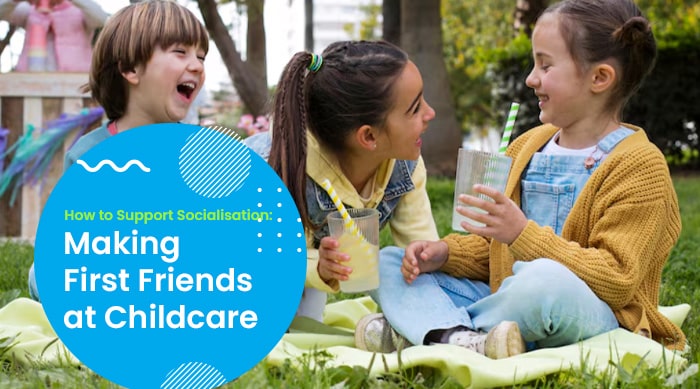
How to Support Socialisation: Making First Friends at Childcare
As parents, watching our little ones take their first steps into the wider world is a momentous occasion. Among the many milestones that childcare introduces, learning how to interact, share, and bond with peers is one of the most significant. Early childhood socialisation sets the foundation for lifelong emotional intelligence, empathy, and communication skills.
For families in Dayton and surrounding suburbs like Brabham, Caversham, and Ellenbrook, finding a supportive environment where these skills can flourish is essential. At Read 2 Grow Early Learning Child Care in Dayton, we believe that making first friends is a beautiful journey.
Here is an in-depth guide on how early socialisation works, why it matters, and how you can support your child as they build their very first friendships.
Why Socialisation in Early Childcare Matters
Before children learn to read or write, they learn the language of human connection. The early years (ages 0 to 5) are a critical window for brain development, and social interactions play a massive role in shaping this growth.
When children attend an early learning centre, they transition from a home environment—where they are often the central focus—to a collaborative community space. This shift teaches them several crucial life skills:
Empathy and Emotional Regulation: Recognising when a peer is sad, happy, or frustrated helps children understand their own emotions and develop compassion.
Conflict Resolution: Learning to share a favourite toy or wait for a turn teaches patience and basic negotiation skills.
Communication Skills: Whether through non-verbal gestures, babbles, or full sentences, interacting with peers rapidly expands a child’s vocabulary and expressive abilities.
The Stages of Early Childhood Friendship
Children don’t just walk into a room and instantly start playing complex games together. Socialisation happens in distinct, developmental stages. Understanding these stages can help parents set realistic expectations:
1. Unoccupied and Solitary Play (Infants to Toddlers)
At this stage, children play alone. They explore textures, objects, and their immediate surroundings without focusing on what other children are doing.
2. Parallel Play (Around 2 Years Old)
This is a fascinating stage commonly seen in toddler rooms. Children will sit right next to each other, playing with similar toys (like building blocks or playdough), but they won’t actively play together. Even though they seem independent, they are closely observing one another and learning comfort in proximity.
3. Associative and Cooperative Play (3 to 5 Years Old)
As children approach preschool age, true interaction begins. They start sharing toys, chatting, and working towards a common goal—like building a massive fort or role-playing in a play kitchen.
This is where those magical “first friendships” truly blossom.
How Read 2 Grow Dayton Fosters First Friendships
At Read 2 Grow Early Learning Child Care, our natural and thoughtfully designed spaces act as the perfect backdrop for social milestones. Our educators intentionally structure daily routines to encourage gentle, positive socialisation:
- Group Storytelling and Circles: Gathering together for stories and songs helps children feel a sense of belonging to a larger community.
- Collaborative Learning Spaces: From our mud kitchens to our creative art zones, we set up activities that naturally invite teamwork.
- Supported Social Guiding: Our qualified educators don’t just supervise; they step in to facilitate sharing, label emotions, and model kindness, ensuring every child feels safe to express themselves.
How Parents Can Support Socialisation at Home
Social development doesn’t stop when you pick your child up from our Dayton centre. Parents play a pivotal role in reinforcing these emerging social skills at home. Here is how you can help:
1. Model Positive Social Behaviour
Children are like little sponges—they watch how you interact with retail staff, neighbours, and family members. Practicing active listening, saying “please” and “thank you,” and demonstrating patience in your daily life provides a direct blueprint for your child to follow.
2. Host Low-Stress Playdates
If your child speaks fondly of a particular peer at Read 2 Grow, consider organising a casual playdate at one of Dayton’s beautiful local spots, such as Walter Padbury Park or the Swan Valley Adventure Centre. Keep initial playdates short (about 1 to 1.5 hours) and ensure there are plenty of duplicate toys available to minimise sharing friction.
3. Use Role-Play and Children’s Books
Books are incredible tools for teaching social nuances. Read stories that touch on themes of sharing, inclusion, and dealing with hurt feelings. You can also use stuffed animals to role-play common scenarios. For example, have a teddy bear ask, “Can I please play with you?” and let your child guide the answer.
4. Teach the Vocabulary of Friendship
Give your child the words they need to navigate social circles. Teach them simple, empowering phrases like:
“Can I have a turn when you’re finished?”
“I don’t like that, please stop.”
“Would you like to build with me?”
Navigating the Bumps: When Making Friends is Hard
It is entirely normal for children to experience bumps on the road to making friends. Biting, pushing, or refusal to share are common developmental hurdles, particularly in toddlers who lack the language skills to express frustration.
If your child is struggling to adapt or prefers to play alone, try not to panic. Every child develops on their own unique timeline.
At Read 2 Grow Dayton, we maintain open, transparent communication with our families. If we notice a child is feeling isolated or overwhelmed, our educators work collaboratively with parents to create gentle transition plans, pair them up with compatible play partners, and provide extra comfort during group activities.
Seamless Transitions for Dayton Families
Choosing the right childcare centre is about finding a place where your child feels secure enough to spread their wings socially. Read 2 Grow Early Learning Child Care provides a warm, inclusive, and enriching environment tailored to the local community.
Our curriculum focuses heavily on emotional literacy and social growth, ensuring that when the time comes to transition to local primary schools in Dayton and Ellenbrook, your child will step into the classroom equipped with the confidence, communication skills, and social resilience they need to thrive.
Connect with Us Today
Are you looking for an early learning environment that prioritises your child’s social, emotional, and cognitive growth? We invite you to visit our state-of-the-art facilities, meet our passionate educators, and see our vibrant community in action.
Book a Tour at Read 2 Grow Early Learning Child Care Dayton today and take the first step in supporting your child’s lifelong journey of friendship and learning.