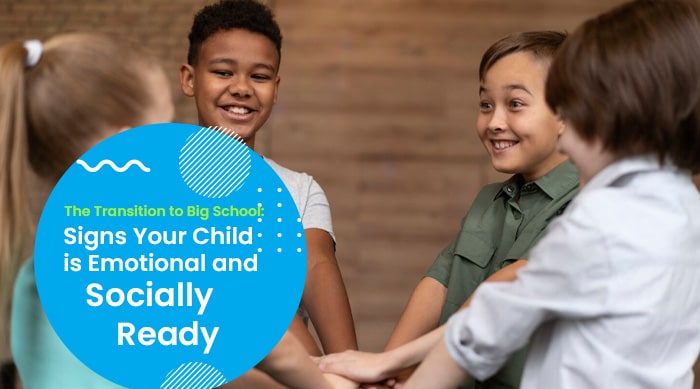
The Transition to Big School: Signs Your Child is Emotional and Socially Ready
The transition from early childhood education to primary school is a monumental milestone in your child’s life. As a parent, it is completely natural to wonder if your little one is ready to take this big leap. While academic benchmarks like recognising letters or counting to twenty are often top of mind, early childhood experts agree that emotional and social readiness are the true pillars of a successful start to “big school.”
At Read 2 Grow Early Learning Child Care Dayton, our structured curriculum and specialised Kindy program are intentionally designed around these developmental areas. We believe that when children feel secure, confident, and emotionally regulated, academic learning flows naturally.
But how can you tell if your child is socially and emotionally prepared for the classroom? Here are the key signs to look for as you prepare your child for primary school.
1. Emotional Regulation and Resilience
Big school brings a completely new environment filled with structured schedules, new authority figures, and unfamiliar peers. One of the most critical indicators of school readiness is a child’s ability to manage big emotions and adapt when things don’t go their way.
Managing Frustration: Can your child handle minor setbacks, such as a tower of blocks falling over, without having an intense meltdown?
Self-Soothing: While they may still feel upset, a ready child can generally calm themselves down with a bit of guidance or by taking a brief moment to breathe.
Separation Confidence: Saying goodbye at the classroom door can be tough. A major sign of emotional readiness is when a child can bid farewell to parents or caregivers without prolonged distress, trusting that they are safe and that you will return.
Our calm, nurturing environment at Read 2 Grow Dayton focuses heavily on building these emotional coping skills. Through predictable daily routines and supportive educator relationships, we help children develop the emotional toolkit they need to face the primary school environment with confidence.
2. Social Independence and Peer Interaction
Primary school classrooms require children to interact extensively with their peers. Social readiness means your child is beginning to look beyond their own immediate desires and understand the dynamics of a group.
Sharing and Turn-Taking: Is your child able to share toys and wait patiently for their turn during a game?
Cooperative Play: Rather than just playing alongside other children (parallel play), school-ready children actively engage in cooperative play. They can collaborate to build a fort, role-play together, or agree on basic playground rules.
Empathy and Awareness: A socially ready child begins to notice when a peer is sad or hurt and might offer comfort or seek help from an adult. This empathy forms the foundation for building lasting school friendships.
3. Basic Self-Help and Independence Skills
In a big school setting, the student-to-teacher ratio is much higher than in daycare. Teachers cannot tie thirty pairs of shoes or manage every child’s lunchbox simultaneously. Therefore, basic self-care functions as a massive boost to a child’s social-emotional confidence.
Toileting Independence: Your child should be completely toilet trained, capable of wiping, flushing, and washing their hands independently.
Managing Personal Belongings: Look for whether your child can open and close their own lunchbox, unwrap their snacks, pack their backpack, and take their jacket on and off.
Asking for Help: True independence also means knowing when to ask for assistance. An emotionally ready child feels confident enough to approach an educator and say, “I need help opening my water bottle” or “I don’t feel well.”
4. Following Directions and Sustaining Attention
The primary school day is far more structured than the flexible nature of early toddlerhood. Children need to be able to focus on tasks that are directed by an adult, even if it isn’t their preferred activity.
Two or Three-Step Instructions: Can your child follow a sequence of commands? For example: “Please put your hat in your bag, wash your hands, and sit down at the table.”
Sustained Focus: A school-ready child can typically sit quietly and focus on a single activity—like listening to a storybook or completing a puzzle—for roughly 10 to 15 minutes.
Respecting Boundaries: They understand and generally respect classroom rules, such as waiting their turn to speak or keeping their hands to themselves.
How Read 2 Grow Dayton Nurtures School Readiness
If your child hasn’t mastered all of these points yet, do not panic! School readiness is a fluid journey, not a rigid checklist. Every child develops at their own unique pace, and providing them with the right environment before big school starts makes all the difference.
At Read 2 Grow Early Learning Child Care Dayton, we specialise in smoothing this transition. We stand out from larger childcare chains by purposefully maintaining controlled numbers in our developmental rooms. This ensures your child receives individual focus and tailored attention from our highly qualified educators.
Our holistic approach combines several foundational pillars to prepare your child for the future:
Play-Based and Structured Learning: We balance imaginative, nature-based outdoor play with structured learning environments to build focus, collaboration, and strictly managed risk-taking confidence.
Strong Early Literacy Foundations: We apply a simplified, accredited Jolly Phonics program in our Pre-Kindy and Kindy rooms. By building multi-sensory sound awareness early, we spark a lifelong love for reading, removing the academic pressure when they enter primary school.
A Focus on Emotional Wellbeing: Our thoughtfully designed, calm learning spaces reduce sensory overload, giving children the peace of mind they need to learn emotional regulation, navigate peer conflicts, and build resilience.
Give Your Child the Best Start in Life
Are you looking for trusted, community-focused childcare near you that goes above and beyond the standard day care experience? Whether you live in Dayton, Caversham, the Swan Valley, or work nearby, we welcome you to become a part of the Read 2 Grow family.
We are currently accepting enquiries for upcoming placements, but spots in our specialised Pre-Kindy and Kindy rooms are strictly limited.
Don’t leave your child’s transition to big school to chance. Book a personal tour of our state-of-the-art Dayton facility today or contact our team directly at (08) 6119 3716 to learn how we can give your child the social, emotional, and literacy advantage they deserve!