
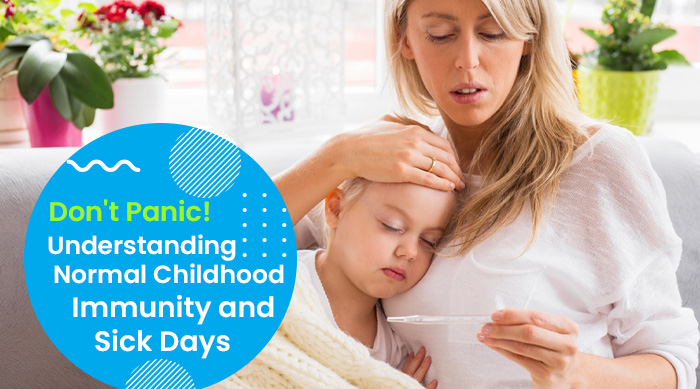
Don’t Panic! Understanding Normal Childhood Immunity and Sick Days
Every parent knows the feeling: your child has been attending daycare or preschool for just a few weeks, and suddenly the sniffles start. Before you know it, you are dealing with a running nose, a mild fever, and yet another round of sick days away from work. It can feel overwhelming, exhausting, and completely frustrating. You might even begin to wonder if your child’s immune system is struggling or if your childcare centre is doing enough to keep things clean.
Frequent sick days in the first year of childcare are one of the most common worries we hear from parents.
Take a deep breath. Regular sick days are expected at this age. What you are experiencing is not a failure of hygiene, nor is it a sign of a weak immune system. In fact, it is quite the opposite. Catching frequent mild illnesses is a completely normal, healthy, and essential part of your child’s immune system development.
Why a Young Immune System Seems to Catch Everything
To understand why young children get sick so often, it helps to look at how the human immune system matures. When babies are born, they inherit temporary antibodies from their mothers. These protective antibodies gradually fade during the first six months to a year of life. From that point forward, a child’s immune system must learn how to protect itself from scratch.
Think of your child’s immune system as an adaptive learning system. It starts out blank, with very little experience. Every time your child encounters a common virus—whether it is a cold, a mild strain of flu, or a tummy bug—their immune system studies the invader, develops targeted defences, and creates a memory bank of antibodies.
The next time their body encounters that exact same virus, the immune system recognises it immediately and destroys it before it can cause noticeable illness. But because there are hundreds of different viruses circulating in early childhood environments, building that initial memory bank takes time and plenty of real-world exposure.
On top of an untrained immune system, young children have behavioural habits that naturally encourage the spread of germs. Toddlers and preschoolers explore their world through touch and taste. They share toys, hold hands, sneeze without covering their mouths, and frequently put their hands in their mouths and eyes. Combine those habits with close daily contact in an active group setting, and you have the perfect environment for mild viral cross-transmission.
How Many Sick Days Are Actually Normal?
When a child starts attending childcare, parents are often shocked by how frequently illness strikes and how quickly sick days add up. It can feel like your child recovers from one illness only to catch another three days later, turning a couple of sick days into a fortnight.
Paediatricians and health authorities agree that the average healthy young child will catch between eight and twelve upper respiratory infections or viral illnesses every single year during their early childhood years. For children who are entering a group childcare setting for the very first time, that number can sometimes be even higher during their first winter season.
If your child seems to be continuously sick through the cooler months from May to September, you are not alone. It is common for viruses to overlap. A child might catch Virus A, begin to recover on day five, and contract Virus B on day six while their immune system is still wrapping up its response to the first bug. This creates the illusion of one long, endless run of sick days, even though it is actually two or three distinct, harmless viruses running their course back-to-back.
The silver lining? Studies show that children who go through this continuous exposure phase during their toddler or preschool years tend to get sick significantly less often once they enter primary school. Their immune systems have already built up a robust library of defences, giving them a distinct advantage later on.
How Childcare Centres Manage and Mitigate Germs
It is completely natural to wonder what your childcare facility is doing to prevent the spread of illness and reduce sick days. Quality childcare centres take health and hygiene very seriously and implement strict daily sanitisation protocols designed to keep infection rates as low as possible.
These proactive health protocols typically include:
- Rigorous Sanitisation Schedules: High-touch surfaces like door handles, light switches, tables, and bathroom fixtures are disinfected multiple times throughout the day using child-safe, medical-grade cleaning agents.
- Regular Toy Rotations: Toys that have been mouthed or handled by symptomatic children are immediately removed, washed, and sanitised before returning to the play area.
- Handwashing Routines: Children are guided through thorough handwashing routines throughout the day—especially before meals, after outdoor play, and after using the restroom or wiping their nose.
- Ventilation and Air Hygiene: Modern facilities focus heavily on maintaining fresh airflow, utilising air purifiers, and spending plenty of time outdoors to reduce indoor viral loads.
- Exclusion Policies: Clear guidelines require children with high fevers, persistent vomiting, diarrhoea, or contagious infections to stay home until they are no longer contagious.
Even with the best sanitation practices in the world, no childcare centre can create a completely sterile environment—nor would that be beneficial for a child’s long-term health. Viruses are often contagious before any physical symptoms show up, meaning children spread mild germs before anyone even knows they are unwell.
Knowing When to Stay Home vs. When to Call the Doctor
Managing sick days requires a balance between giving your child time to rest, protecting other families at the centre, and knowing when a doctor’s guidance is needed.
When Your Child Should Stay Home
To protect the rest of the classroom and allow your child’s body to recover, keep them home if they show any of the following symptoms:
- A fever above 100.4°F (38°C) within the last 24 hours without the use of fever-reducing medication.
- Vomiting or diarrhoea within the last 24 to 48 hours.
- Continuous, uncontrolled coughing that prevents them from resting or playing comfortably.
- Unexplained skin rashes, eye discharge, or signs of contagious infections like pink eye.
- General lethargy, unusual irritability, or an inability to comfortably participate in group activities.
When to Contact Your Paediatrician
While most childhood viral illnesses clear up on their own with rest and fluids, you should consult your healthcare provider if you observe:
- Difficulty breathing, rapid breathing, or grunting noises while resting.
- Signs of dehydration, such as no wet diapers for six hours, lack of tears when crying, or extreme lethargy.
- A fever that lasts more than three consecutive days or returns after disappearing for a day or two.
- Complaints of severe ear pain, persistent sore throat, or stiff neck.
- Any symptoms that seem unusual, severe, or cause you concern. Always trust your parental intuition.
Supporting Your Child’s Immune Health
While you cannot completely prevent your child from catching common viruses, you can give their body the raw materials it needs to fight off infections efficiently and recover quickly.
Focus on the fundamentals of early childhood wellness:
- Prioritise Sleep: Growing toddlers need 10 to 13 hours of sleep every day, including naps. Sleep is when the body repairs cells and produces infection-fighting antibodies.
- Provide Whole Foods: Offer a balanced diet rich in colourful fruits, vegetables, healthy fats, and lean proteins to deliver natural vitamins like Vitamin C, Vitamin D, and Zinc.
- Encourage Hydration: Keep fluids flowing. Water, warm broths, and natural fruit juices help keep mucous membranes moist, which forms a primary physical barrier against airborne viruses.
- Practice Consistent Hygiene at Home: Teach your child to cough or sneeze into their elbow, wash their hands for 20 seconds with soap and water, and avoid touching their face.
Parenting a frequently sick child can feel exhausting, but it is a temporary stage of development. Every mild cold your child works through is a building block towards a resilient, adult-grade immune system. By remaining patient, partnering with your childcare centre, and providing plenty of rest and fluids at home, you are helping your little one build a strong foundation for lifelong health.
How We Handle Sick Days at Read 2 Grow Dayton
Sick days are never fun, but they are a normal part of building a strong immune system. At our childcare centre in Dayton, we follow clear illness and hygiene policies, so you always know when your child should stay home and when they are ready to return.
- Plan ahead for sick days: line up a backup carer or a flexible work option before winter arrives.
- Keep sick days restful: fluids, sleep and quiet play help little bodies recover.
- Know when to get help: if you are unsure, call your GP or check healthdirect for trusted Australian health advice.
If a temperature is part of the picture, read our guide to toddler fevers. Families from nearby suburbs can also learn more about our childcare near Middle Swan.