
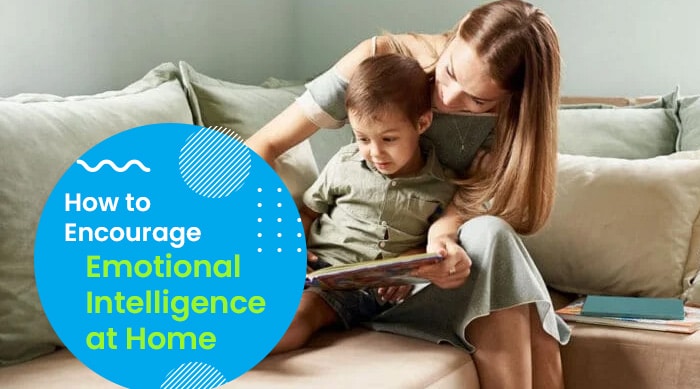
How to Encourage Emotional Intelligence at Home
Helping Young Children Understand Their Feelings and Build Resilience
As a parent or carer, you want your child to be happy, confident, and able to navigate life’s challenges with ease. One of the most powerful life skills you can nurture from an early age is emotional intelligence — the ability to recognise, understand, and manage emotions, both in oneself and others.
At Read 2 Grow Early Learning Child Care, we see firsthand how children thrive when they’re supported emotionally. In this blog, we’ll explore what emotional intelligence is, why it matters in early childhood, and how you can help your child develop it in everyday situations at home.
What is Emotional Intelligence?
Emotional intelligence (often referred to as EQ) includes five key components:
- Self-awareness – recognising one’s own emotions
- Self-regulation – managing those emotions appropriately
- Motivation – using emotions to reach goals
- Empathy – recognising emotions in others
- Social skills – communicating and building relationships
For children, developing EQ can lead to:
- Fewer behavioural issues
- Better friendships
- Stronger communication
- Enhanced problem-solving
- Higher academic achievement
In fact, a 2021 study by the Australian Council for Educational Research (ACER) confirmed that children with higher emotional intelligence perform better in school and show greater resilience in challenging situations.
Why Start in Early Childhood?
The first five years of life are when a child’s brain is most adaptable. During this period, children are learning not just academic foundations like counting or the alphabet, but also how to navigate the world socially and emotionally.
Children often feel big emotions — frustration, excitement, fear, joy — but they don’t always have the language or tools to express them. That’s where adults play a critical role.
By modelling, naming, and supporting emotional experiences at home, you lay the foundation for your child’s lifelong mental wellbeing.
6 Practical Ways to Encourage Emotional Intelligence at Home
1. Label Emotions Out Loud
Young children are still learning the language of feelings. Help them build their vocabulary by naming emotions as they experience them:
“I see you’re feeling frustrated because your tower fell over.”
“You’re really excited to see Grandma, aren’t you?”
This helps them connect physical sensations (e.g. tears, racing heart) with emotional words — a crucial first step in emotional intelligence.
2. Model Calm Responses
Children learn best by watching adults. When you experience strong emotions — whether it’s stress, anger, or joy — show your child how to handle them appropriately:
“I’m feeling really overwhelmed right now, so I’m going to take some deep breaths.”
When you model calm coping strategies, children internalise those behaviours as tools they can also use.
3. Use Books and Stories to Explore Feelings
Australian children’s books like “The Feelings Book” by Todd Parr or “When I’m Feeling…” series by Trace Moroney are fantastic tools for discussing emotions in a non-threatening way.
Pause during stories to ask:
“How do you think that character felt?”
“What would you do if that happened to you?”
This builds empathy and helps children process their own emotional responses.
4. Create a Feelings Chart
A simple chart with faces showing different emotions (happy, sad, angry, worried, excited) can help children visually identify their mood. Use it daily to check in:
“How are you feeling today?”
“Can you show me on the chart?”
This regular reflection makes emotions feel normal and safe to talk about.
5. Validate, Don’t Dismiss
Phrases like “You’re fine,” or “Stop crying,” might be meant with good intentions, but they can shut down your child’s emotional expression. Instead, try:
“It’s okay to feel upset — I’m here with you.”
“I understand you’re angry — let’s talk about it.”
Validating emotions helps children feel heard and builds trust.
6. Play Emotion-Based Games
Games like “Feelings charades,” or “Guess the emotion” using facial expressions, music, or voice tones are great ways to explore emotions in a fun and non-judgmental setting.
Even classic role play like “doctor” or “shopkeeper” helps children practice empathy, negotiation, and social interaction — all part of EQ.
The Role of Parents and Carers
In a 2022 national parenting survey conducted by the Raising Children Network, 81% of Australian parents said they were unsure how to handle big emotions in young children. That’s understandable — emotional development can be complex. But here’s the good news:
- You don’t need to be perfect. You just need to be present.
- Children don’t need you to have all the answers. They need you to listen, respond with kindness, and give them space to learn and grow.
Final Thoughts: EQ is Just as Important as ABC
At Read 2 Grow, we believe that learning to read and write is important — but learning to understand your emotions is just as vital.
When you help your child build emotional intelligence at home, you’re giving them a gift that will serve them well in relationships, school, and life. You’re helping them grow into a kind, capable, and confident individual — one feeling at a time.