
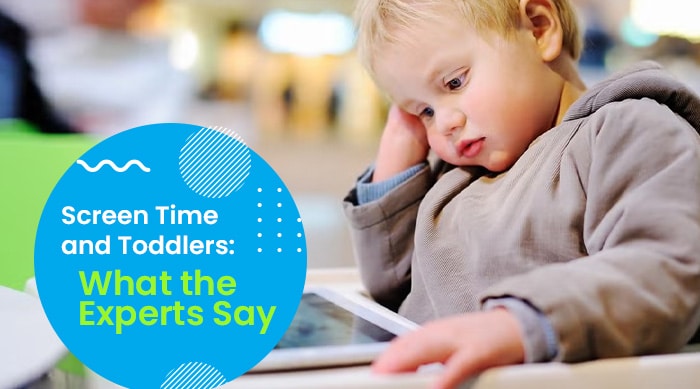
Screen Time and Toddlers: What the Experts Say
Finding a Healthy Balance for Your Child’s Development
Screens are everywhere — TVs, tablets, smartphones, laptops. They’re part of our everyday lives, and it’s no surprise that even toddlers are drawn to the bright colours, fun sounds, and interactive apps.
But how much screen time is too much? What are the real effects on young children’s brains, emotions, and behaviour? And most importantly, how can parents find the right balance?
At Read 2 Grow Early Learning Child Care Dayton, we’re often asked by families how to navigate screen time — especially in a world where it’s often used for learning, entertainment, and even calming children. In this blog, we’ll explore what Australian experts say about toddlers and screen use, what’s healthy, what’s harmful, and how local child care centres like ours support families in building strong, screen-smart routines.
What the Guidelines Say
The Australian Government Department of Health recommends:
- No screen time at all for children under 2 years, other than video chatting with loved ones
- No more than 1 hour per day for children aged 2–5 years
- All screen time should be supervised, age-appropriate, and not replace physical activity, sleep, or real-world play
- Despite these guidelines, research shows that many Australian children are exceeding screen time limits, especially post-pandemic. According to The Royal C
- Children’s Hospital National Child Health Poll, nearly 50% of toddlers aged 2–5 are getting more than the recommended 1 hour per day.
Why Too Much Screen Time Matters
Excessive screen time in early childhood can affect several areas of development, including:
Brain Development
Young brains thrive on real-life, hands-on interaction. Overuse of screens can limit time spent on important developmental tasks like building vocabulary, sensory exploration, and social play.
Sleep Disruption
Screens — particularly before bedtime — can interfere with melatonin production and delay sleep, impacting behaviour and learning the next day.
Language Delay
Toddlers learn language through face-to-face interaction. Too much passive screen time (like watching cartoons alone) can reduce opportunities to practise speaking and listening.
Emotional Regulation
Screens can act as digital pacifiers. If children rely on devices to soothe themselves, they may miss chances to learn self-regulation and emotional resilience.
When Screen Time Can Be Helpful
Not all screen time is bad. In fact, when used intentionally and interactively, screens can support learning. Here’s how to make it work for your toddler:
✅ Choose High-Quality Content
Look for programs that encourage singing, problem-solving, and interaction
Stick to platforms like ABC Kids, Play School, or educational apps like Khan Academy Kids
✅ Watch Together
Co-viewing is key. Talking about what’s on the screen helps toddlers make connections to the real world.
✅ Set Clear Boundaries
Use screens as part of a balanced day, not a babysitter. Make sure your child still gets plenty of time for active play, reading, and social connection.
✅ Avoid Screens Before Bedtime
Aim for at least 1 hour of screen-free time before sleep to support rest and relaxation.
Supporting Healthy Habits at Read 2 Grow Dayton
At Read 2 Grow Early Learning Child Care Dayton, we prioritise real-world, play-based experiences over screens — because that’s what best supports children’s development.
In our Dayton child care centre, children:
- Engage in active outdoor play daily
- Build social and communication skills through group activities
- Learn emotional regulation through stories, music, and hands-on play
- Develop creativity and curiosity away from digital distractions
We work closely with families in Brabham, Dayton, Bennett Springs, and surrounding areas to reinforce healthy screen-time routines and share strategies to use at home.
📍If you’re searching for “child care near me” or high-quality Dayton child care, Read 2 Grow is your local trusted choice — where your child’s growth and wellbeing come first.
Tips for Managing Screen Time at Home
Here are simple ways to build healthy digital habits:
Create a screen-time schedule. Use a visual timer so toddlers know when screen time starts and ends.
Designate tech-free zones. Keep bedrooms and dining areas screen-free.
Replace screens with alternatives. Keep sensory play bins, books, or building blocks nearby as go-to options.
Model balanced behaviour. Let your child see you putting the phone away to focus on family time.
Final Thoughts: Connection Over Consumption
Screens are here to stay — but so is the need for connection, creativity, and hands-on learning. Striking the right balance doesn’t mean cutting out screens completely. It means using them in ways that support, rather than replace, real-world engagement.
At Read 2 Grow Dayton, we help children thrive by encouraging active play, rich conversation, and meaningful relationships — the things that truly support brain development in the early years.
If you’re a parent in Dayton, Brabham, or nearby looking for a supportive environment that prioritises your child’s wellbeing, Read 2 Grow is more than just a child care centre — it’s your partner in raising a happy, healthy learner.
Book a tour or contact us today at https://www.daytonchildcare.au/thank-you/ — discover how we help local families grow with confidence.