
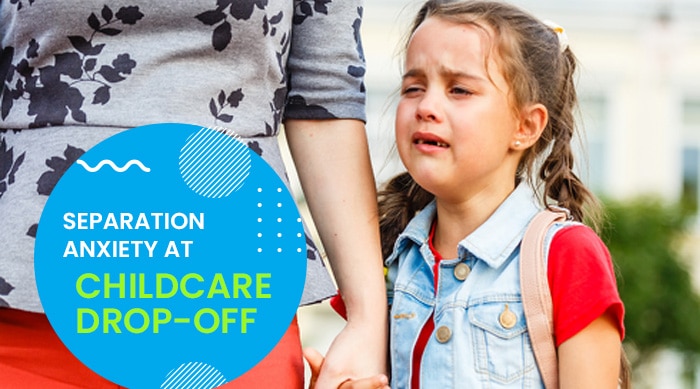
Separation Anxiety at Childcare Drop-Off: Simple Ways to Ease the Transition
Separation Anxiety at Childcare Drop-Off: How to Support Your Child with Confidence
Starting childcare is a big milestone — not just for children, but for parents too. For many families in Dayton, Western Australia, separation anxiety at drop-off is one of the most common concerns when children begin early learning.
At Read 2 Grow Dayton, we work closely with families to help children feel safe, secure, and confident during this transition. Separation anxiety is normal, temporary, and a healthy part of emotional development.

What Is Separation Anxiety?
Separation anxiety usually appears between 8 months and 3 years, when children develop strong attachments to their caregivers. Tears at drop-off don’t mean your child isn’t ready for childcare — they mean your child has formed a secure bond.
Common signs include:
- Crying or clinging at drop-off
- Hesitation to engage initially
- Asking repeatedly for mum or dad
- Strong emotions during transitions
Why Drop-Off Can Feel So Hard
Several factors can heighten separation anxiety:
- New routines
- New environments
- Unfamiliar faces
- Parental emotions (children sense stress)
- Tiredness or hunger
Children thrive on predictability, and any change can feel overwhelming at first.
How Parents Can Help Ease Separation Anxiety
Keep Goodbyes Short and Calm
Long goodbyes can increase anxiety. A warm hug, reassuring words, and a confident exit help children settle faster.
Create a Consistent Drop-Off Routine
Doing the same steps each morning builds emotional security.
Talk Positively About Childcare
Speak with excitement and confidence about educators, friends, and activities.
Acknowledge Feelings
Try: “I know it’s hard to say goodbye. I’ll be back later.”
How Read 2 Grow Dayton Supports Children
Our educators are trained in:
- Attachment-based care
- Responsive settling techniques
- Emotional coaching
- Gentle transitions
We build strong educator-child relationships so children feel safe and supported. Many children settle within minutes once parents leave — even if they were upset initially.
When to Seek Extra Support
If anxiety lasts several weeks or intensifies, speak with our educators. We work in partnership with families to support each child’s needs.
Visit Read 2 Grow Dayton
If you’d like to see how we support children during transitions, click the tour link on our website and book a visit. We’d love to show you our calm, nurturing early learning environment.